Jute vs cotton tote bags for retail
With global plastic bag bans accelerating across Europe, North America, and Australasia, supermarket chains, fashion retailers, and corporate brands are shifting to reusable natural fiber packaging. The two dominant natural alternatives are golden jute and cotton canvas.
Choosing between them requires balancing unit bill-of-materials (BOM) cost, load-bearing durability, print resolution, and corporate ESG metrics. This guide provides a direct B2B comparison for retail procurement teams.
## 1. Material Properties & Performance Matrix
- Natural Golden Jute: Bast fiber with exceptional tensile load capacity (holds up to 25 kg). Rigid self-standing tote structure. Naturally porous, fully waterproof when PE-laminated. Relative FOB price: $1.80 – $3.20.
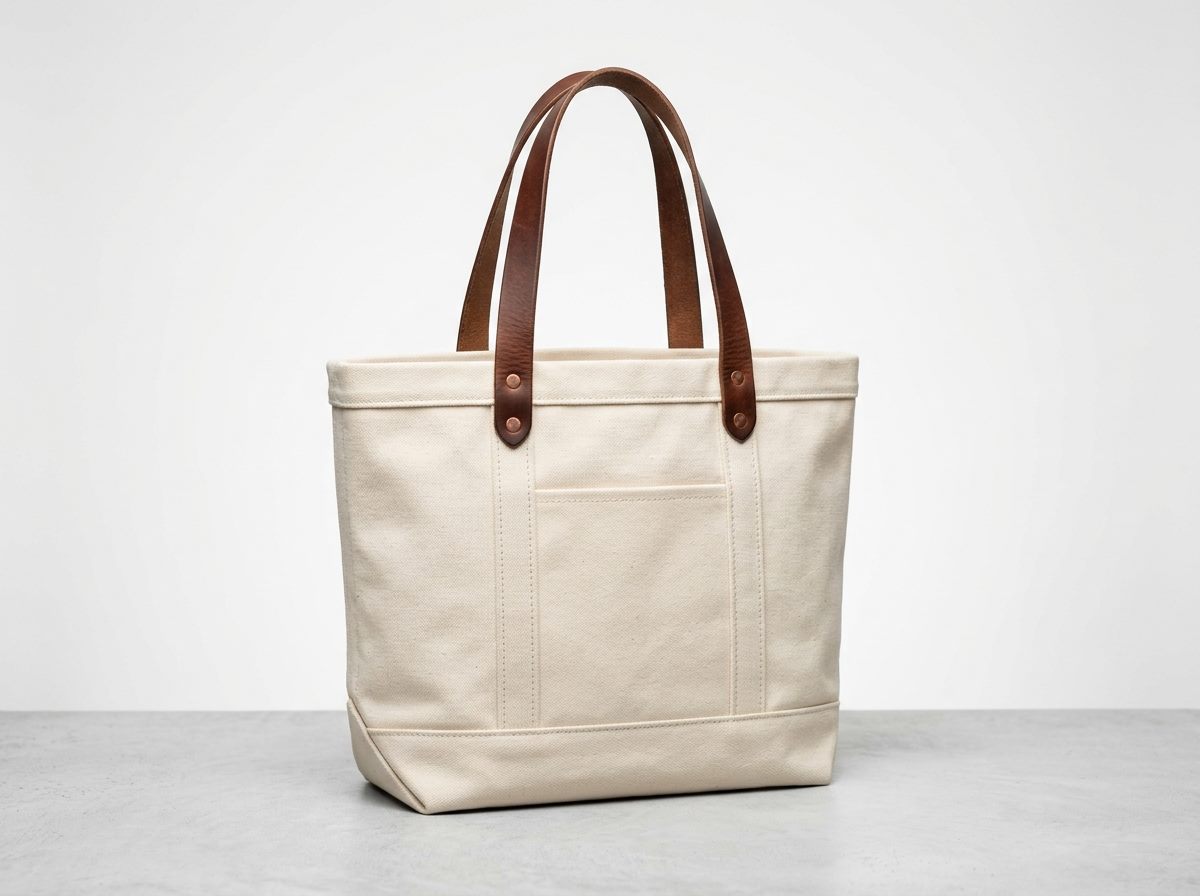
- Heavyweight Cotton Canvas (10–16 oz): Seed hair fiber holding up to 15–18 kg. Soft, pliable, foldable drape. Smooth surface for crisp multi-color logos and DTG photographic prints. Relative FOB price: $3.50 – $6.50.
- Juco Blend (75% Jute / 25% Cotton): Hybrid blend holding up to 20 kg with semi-structured drape and fine printing surface. Relative FOB price: $2.40 – $4.00.
Explore our [custom jute bag collection](/materials/jute) and [cotton and canvas products](/materials/cotton-canvas) to compare factory finishes.
## 2. Structural Integrity & Retail Reusability
- Jute Bags: Natural jute possesses coarse, high-tensile bast fibers with very low elongation under load. When laminated with food-grade LDPE, jute bags stand upright unassisted at retail checkout counters, making packing effortless for customers.
- Cotton Totes: 8 oz to 12 oz cotton canvas bags are lightweight and fold neatly into purses or glove compartments. However, carrying heavy canned goods or sharp box corners can cause seam distortion over extended usage compared to reinforced jute.
## 3. Printing Capabilities & Brand Presentation
Your branding aesthetic dictates the ideal substrate:
1. Silk-Screen Spot Colors: Both materials accept heavy water-based azo-free inks. Bold company logos, slogans, and solid block graphics look striking on golden jute.
2. Fine Lines & Intricate Typography: For typefaces below 14 pt or intricate line drawings, the textured weave of raw jute can cause micro-bleed. In such cases, 100% smooth cotton canvas or a Juco blend is recommended.
3. Full-Color CMYK & Digital Printing: Cotton canvas allows direct-to-garment (DTG) and heat-transfer sublimation for photorealistic brand campaigns.
## 4. Sustainability & Life Cycle Assessment (LCA)
From a sustainability audit standpoint:
- Carbon Sequestration: 1 hectare of jute plants consumes roughly 15 tons of carbon dioxide and releases 11 tons of oxygen during its 120-day growing cycle.
- Water Consumption: Jute requires virtually zero artificial irrigation, thriving on natural monsoon rainfall in the Ganges delta of Bangladesh. In contrast, non-organic cotton is one of the world's most water-intensive crops.
- Biodegradability: Raw unlaminated jute decomposes completely in soil within 60 to 90 days, enriching the soil with organic matter.
## 5. Summary Buyer Recommendations
- Select Jute When: Sourcing volume reusable shopping bags, grocery totes, eco-promotional conference bags, or corporate wine carriers with strict budget thresholds ($1.80–$3.00 FOB).
- Select Cotton Canvas When: Producing fashion merchandise, university bookstore totes, high-end retail gifts with delicate multi-color artwork, or compact foldable pocket bags.
Consult our technical team for custom fabric swatch cards or [request a quote](/quote) on your next production run.